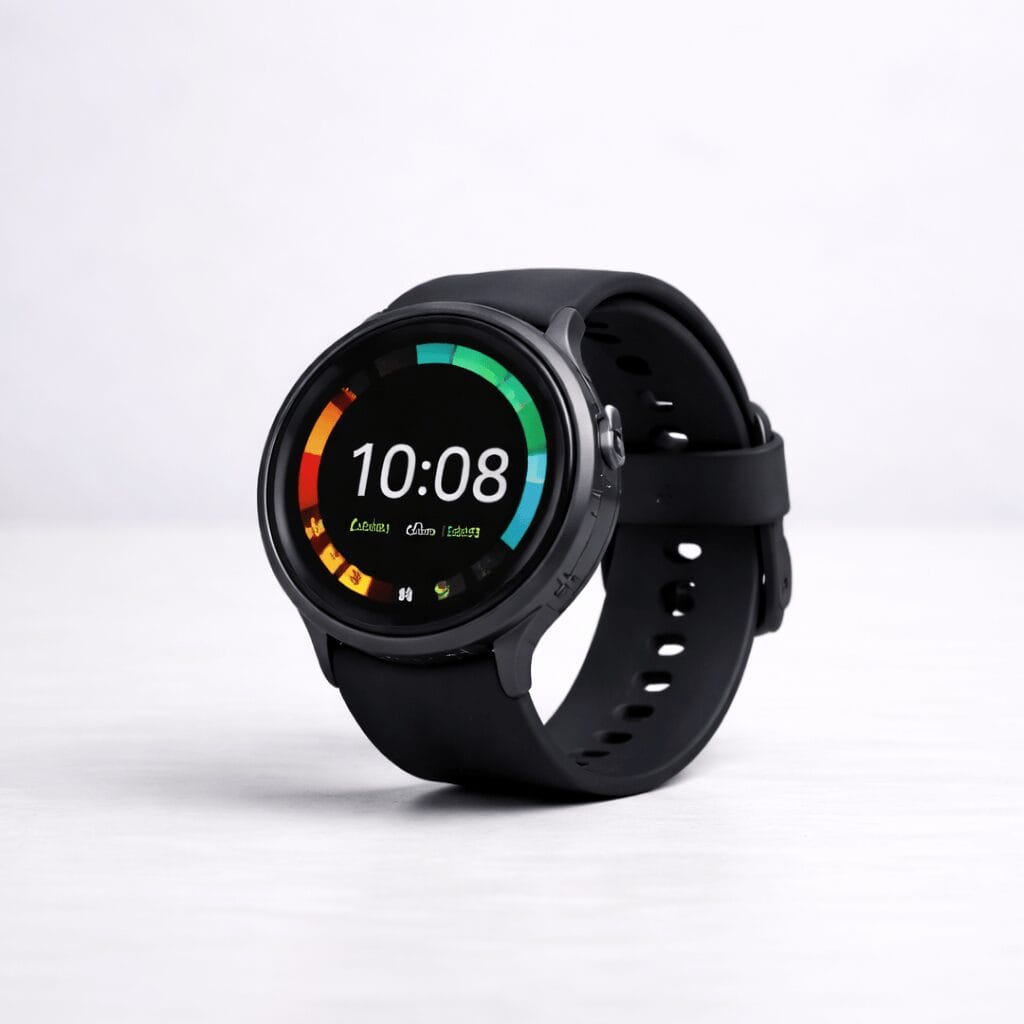

Garmin Restores Sleep Focus Shortcut on Forerunner 570 and 970 Watches
Effortlessly toggle Sleep Focus mode again with Garmins recent update for Forerunner 570 and 970 models.


Explore how the Garmin Instinct Crossover AMOLED blends analog charm with vibrant tech for the ultimate outdoor experience.

The Garmin Instinct series has long been regarded as the “G-Shock” of sports watches — those tough, button-heavy rugged companions built for people who chart their weekends by elevation gain rather than incoming notifications. Among this family, the Crossover model has always stood out as an intriguing hybrid: a watch for purists who crave the soul of a classic analog timepiece but want the brains of cutting-edge tech.
The original Crossover introduced this concept with a non-AMOLED screen, but it felt like a compromise stuck between two different eras. Enter the Instinct Crossover AMOLED: a refreshed take that injects energy and clarity into this analog-digital fusion. Sporting a tactical-chic aesthetic aligned with the Instinct 3, it boasts premium touches like sapphire glass, a titanium-reinforced bezel, and an AMOLED display that finally makes data beneath the physical hands crisp and easy to read.
At $649, the Crossover AMOLED lands in Garmin’s mid-tier range, competing with the likes of the Suunto Vertical 2 and Garmin’s own Instinct 3 AMOLED. It’s crafted for a very particular adventurer — someone who wants tech that looks like a traditional watch but functions as a hardcore survival tool.
I took this watch on a 70-mile thru-hike across the UK to find out if those classic hands add genuine value or are just a pricey flourish.
Let’s not beat around the bush — the Crossover AMOLED packs a price hike compared to its predecessor. Priced at $649, it’s roughly $250 more expensive than the original Garmin Instinct Crossover. If you want the Tactical AMOLED edition, be prepared to shell out $749.
Compared to the Instinct 3 AMOLED, this Crossover model costs about $200 more. While the analog hands and premium materials justify some of the difference, fundamentally, it’s very similar hardware, so you’re paying a premium for those design elements.
Outside Garmin’s ecosystem, there’s no true rival that blends analog hands with survival tech quite like this. However, if you’re open to all-digital options, the Suunto Vertical 2 at about $599 or the Amazfit T-Rex 3 Pro at $280 offer robust adventure watches with LED flashlights and maps, without breaking the bank.

Trail runner and avid hiker Julia Clarke took the Instinct Crossover AMOLED on the St Cuthbert’s Way — a stunning five-day long-distance trail crossing the Scottish borders and Northumberland National Park to Holy Island. Hiking up to eight hours each day, Julia put the watch through its paces against other top-tier adventure watches, including the Garmin Fenix 8 and Suunto Vertical 2.

True to its Instinct heritage, the Crossover AMOLED is chunky and boldly designed. On a cold, layered winter hike, I found the watch’s size noticeable under multiple sleeves but manageable — a reminder these rugged watches often seem tailor-made for fair-weather wristwear.
The upgraded sapphire crystal is highly scratch-resistant, surviving my wild trek unblemished. The titanium-reinforced bezel adds to the durability without weighing it down much — only 2 grams heavier than the original model. The silicone strap is comfortable and secure.
The headline upgrade is undoubtedly the vibrant AMOLED screen. Compared to the previous Crossover, this watch is readable in virtually all lighting conditions — from dawn’s first light through to the pitch-black of night, in rain and blazing sun alike.
Garmin’s Red Shift Mode is a thoughtful touch that preserves your night vision by shifting the display colors to red, orange, and green hues during dark hours.
Now, about those analog hands. I wasn’t initially sold on their usefulness in a digital watch designed for brutal outdoor conditions. But after several weeks, I’ve grown fond of them — they provide a timeless charm and practical function. Garmin’s Revodrive tech keeps them accurate despite bumps and drops. So far, no missteps here.

The hands are coated with ‘Super-LumiNova,’ making them glow gently even when the watch face sleeps. They cleverly move aside when you press a button to reveal data and swing back to display the time seamlessly. They also serve functional roles — like acting as a dial for the compass, which I found especially handy on the trail.
Here’s a catch: in activity mode, the analog hands permanently shift to 9 and 3 o’clock positions to avoid covering data, meaning you can’t instantly see the time without extra scrolling. On long, low-light days, this felt like a missed opportunity. If the point is to combine analog with digital, shouldn’t the time be instantly visible all the time? Garmin hasn’t provided a fix yet, but hopefully, this becomes customizable in a future update.
No touchscreen here — navigation is all button-driven. The watch uses five flat buttons, unlike the round ones on Garmin’s Fenix. I found these slightly fiddly, especially in the dark.
The buttons are labeled, which helps, but it took me weeks to get really comfortable. The top-right button starts activities, bottom-right goes back, and the bottom-left briefly moves analog hands aside or opens a menu with timers and alarms on a long press.

Scrolling through menus uses the bottom-left and middle-left buttons, with the middle-left also accessing weather and health snapshots. I loved having sunset times and moon phases right on my wrist — perfect for nature lovers.
Long-pressing buttons brings up the compass, settings, toolbox, or flashlight. The flashlight toggles with a double-click of the top-left button, just like on other Garmin models.
Despite this versatility, I still found myself fumbling around a bit, hoping for a more intuitive layout.

Bright AMOLED displays tend to eat batteries faster — and the Instinct Crossover AMOLED is no exception. Compared to the Instinct 3 AMOLED’s robust 18 days (Smartwatch mode) and 25 hours (GPS), this model offers just 14 days and 18 hours respectively. That’s a significant drop, especially compared to the original Crossover’s 28-day stamina.
For casual users who hit trails a couple of times a week, this isn’t a dealbreaker. But for serious multi-day adventuring, it’s something to consider.
On a 70-mile hike, wearing the watch 5-8 hours a day, I tracked battery carefully. After day one (7 hours), the battery was at 53%. Following an eight-hour day two, it dropped to 11%. A six-hour day used about 26% battery, estimating 4-5% per hour in GPS mode.

By day five, with 25% remaining, I charged once more, but realistically I could have stretched it. Over five days, I logged 31 hours on GPS and charged twice.
For comparison, my Suunto Vertical 2 on the other wrist never needed charging and still had about 50% battery at journey’s end.
So, while the Crossover AMOLED won’t be my first pick for ultra-endurance trips, it’s solid for most adventuring scenarios.

One standout feature introduced in Garmin’s watches is the LED flashlight, which I can’t stop raving about. The Crossover AMOLED keeps this handy upgrade, accessible with a double-click of the top-left button.
You can dim or switch to red light mode easily, perfect for sneaking around hostels or early morning yoga without disturbing others. Outdoors, it shines bright enough to safely navigate dark trails — a great backup if your headlamp battery fades.
The watch lacks color maps and true navigation features, which might be tough to implement alongside analog hands. Instead, it excels as a precise tracker. Multi-Band GPS locks in quickly, even in remote areas or tricky sea crossings.
The watch boasts 80+ workout modes, with one of my favorites being Rucking — essential for those who haul heavy packs, as it better estimates energy expenditure and recovery than standard hiking modes.
Whether hiking, trail running, or multisport training, the Garmin Elevate heart rate sensor delivers accurate, beat-for-beat measurements. The watch shares advanced health metrics with the Instinct 3, including Training Load Focus, Sleep Coach, Nap Detection, and Muscle Map.

Training Load Focus helped me identify gaps in my routine — after five days hiking and three days yoga, it flagged a shortage of High Aerobic workouts, nudging me toward interval sessions.
The default watch face shows Body Battery, Garmin’s holistic energy estimate based on heart rate, stress, and activity. Wearing it 24/7 during the hike, sleep tracking felt spot-on and Body Battery readings matched how I felt physically.
The Instinct range caters to explorers who want essential smartwatch features without distractions. It syncs with Android phones for calendar alerts, calls, and texts, letting you keep your phone in flight mode while enjoying uninterrupted adventures.
Every morning, a tailored report summarizes weather, sleep, and energy levels, helping plan the day ahead.
Music can’t be stored on the watch, but you can control phone playback if desired — a sensible choice for a watch built to survive the wild.
The Garmin Instinct Crossover AMOLED stands out as a distinctive choice for adventurers who want the classic look of analog hands combined with modern, rugged tech. Its vibrant display, durable build, and thoughtful features like an LED flashlight and advanced health tracking make it a compelling companion for many outdoor pursuits.
Battery life won’t win awards for endurance, and button navigation takes some getting used to, but these trade-offs come with the territory of marrying old-school style with new-school tech.
If you crave a watch that looks like a timepiece from another era but functions as a reliable survival tool, the Crossover AMOLED is worth a serious look. Would you embrace the analog-digital hybrid for your next adventure?
Don’t want to miss new posts?

You must be logged in to post a comment.