
Garmin’s New Patent Aims to Revolutionize Non-Invasive Glucose and HbA1c Monitoring
Explore how Garmin is pushing the boundaries of metabolic health with non-invasive HbA1c estimation technology.


Track key reproductive hormones effortlessly with Clair’s innovative wearable technology designed for women.
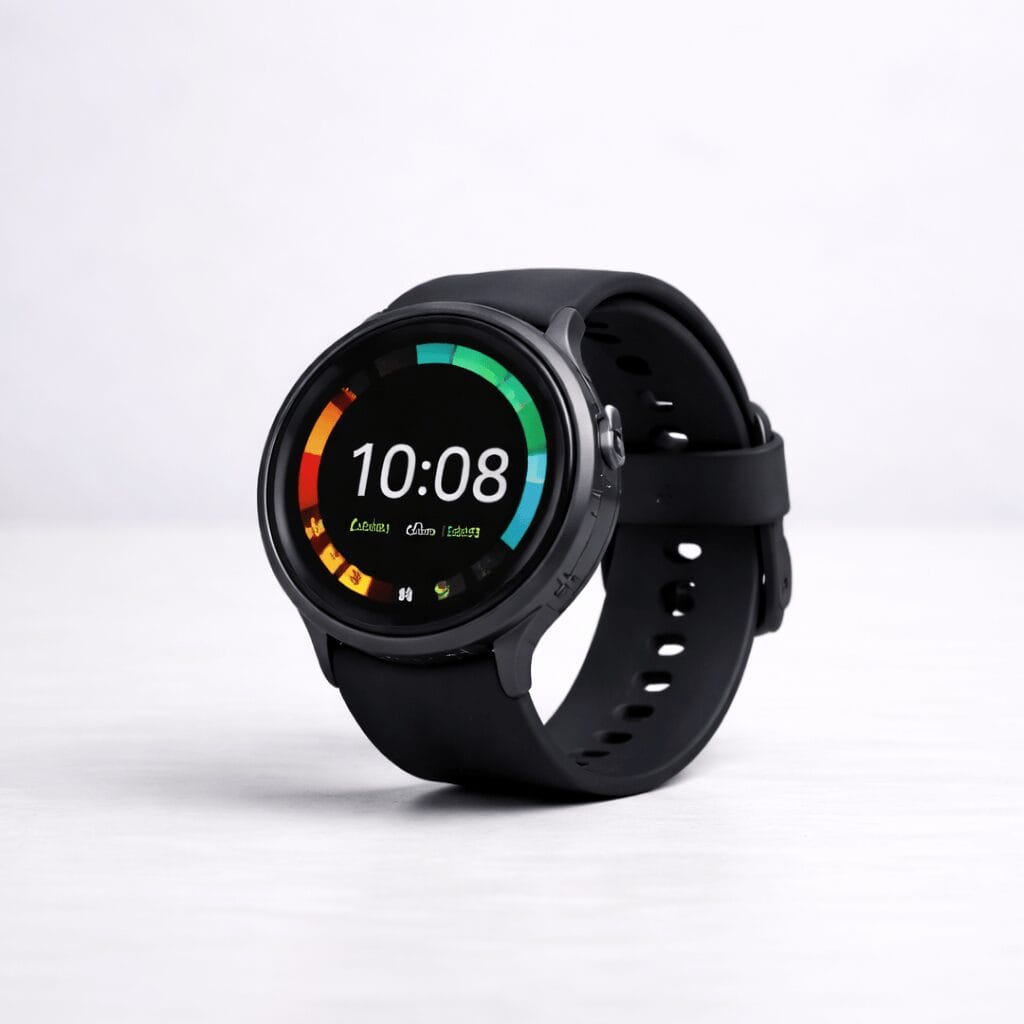
Imagine having a wrist-worn device that can monitor your reproductive hormones as easily as tracking your steps. Clair, a pioneering women’s health startup, has made this a reality. Their new wearable monitors four essential reproductive hormones without requiring any blood draws or urine tests—something that has long been a barrier to convenient hormone tracking.

Founded by Stanford graduates Jenny Duan and Abhinav Agarwal, Clair brings together cutting-edge biosensing and artificial intelligence. The wearable features a sophisticated suite of 10 sensors capable of tracking over 500 different biomarkers. That’s a massive leap beyond typical fitness trackers that mainly count steps or measure heart rate.
What really sets Clair apart is how it uses AI models tailored specifically to female physiology. These models analyze the complex data from the sensors and deliver hormone cycle phase classifications with an impressive 94% accuracy. This means users gain real-time insights into how their estrogen, progesterone, luteinizing hormone (LH), and follicle-stimulating hormone (FSH) levels fluctuate throughout the cycle.
Most wearables on the market attempt to predict menstrual cycle phases based on basal body temperature alone. But temperature can be misleading, especially for women with irregular cycles, polycystic ovary syndrome (PCOS), or those experiencing perimenopause. Clair aims to bridge this gap by providing precise hormonal data rather than relying on indirect indicators.
By tracking hormones directly, Clair empowers women to understand how these chemical messengers influence mood swings, energy levels, and recovery rates. For instance, ever wondered why you feel oddly drained after a full night’s sleep or why some workouts feel nearly impossible during certain times of the month? Clair could finally provide those missing puzzle pieces.
Clair doesn’t stop at hormone tracking. It also gathers a broad spectrum of physiological metrics such as skin temperature, resting heart rate, heart rate variability (HRV), sleep quality, breathing rate, and electrodermal activity. All these factors are monitored in relation to hormonal changes, offering a more complete picture of women’s health and wellness.
This holistic approach might explain those mysterious days where everything feels “off” despite doing all the right things. Understanding these patterns can translate into smarter training schedules, better self-care routines, and ultimately, a deeper connection with one’s body.
“Today’s wearables track steps, heart rate, and sleep, but they tell women nothing about the hormones that fundamentally shape how they feel, perform, and age.”
— Abhinav Agarwal, Clair co-founder
The Clair app is slated for beta release in February, giving early adopters a chance to explore its features. The physical wearable device itself is expected to launch in November. This timing positions Clair right in the middle of a rapidly growing wave of women-focused health technology.
Startups such as Peri, Eli Health, and Biologica are also carving out spaces in hormone intelligence and women’s wellness, demonstrating a broader industry shift toward more inclusive, data-driven health solutions for women.
If Clair lives up to its promises, it won’t just be another health tracker on the wrist. Instead, it could redefine what health data means and who it’s built for, expanding the narrative from generic fitness metrics to deeply personal hormonal insights. For many women, that’s a game-changer.

Clair’s wearable is a bold step forward in women’s health technology. By combining non-invasive hormone tracking with broad physiological monitoring and advanced AI, it promises to illuminate the intricate hormonal dance that shapes women’s daily lives. How might this change your approach to health and wellness? Are we finally on the cusp of truly personalized female health insights?
Don’t want to miss new posts?

You must be logged in to post a comment.