
Ultrahuman Gears Up to Launch a Pro Charger Case for Its New Smart Ring
Get ready for Ultrahuman’s smart ring upgrade featuring a dedicated Pro Charger case—a step that hints at big…


Explore how Garmin is pushing the boundaries of metabolic health with non-invasive HbA1c estimation technology.

Imagine a future where your smartwatch doesn’t just track your steps or heart rate but also offers insights into your long-term blood sugar control without a single needle prick. Garmin is charging headfirst into this future with a freshly published patent that targets the non-invasive estimation of HbA1c—a crucial marker used to assess average blood glucose levels over months.
For those unfamiliar, HbA1c (glycated hemoglobin) is a vital measurement for understanding how well blood sugar has been managed over time, especially for individuals with diabetes or metabolic conditions. Unlike continuous glucose monitors (CGMs) that offer real-time sugar level snapshots, this innovation zooms out for a bigger picture, focusing on long-term metabolic trends.
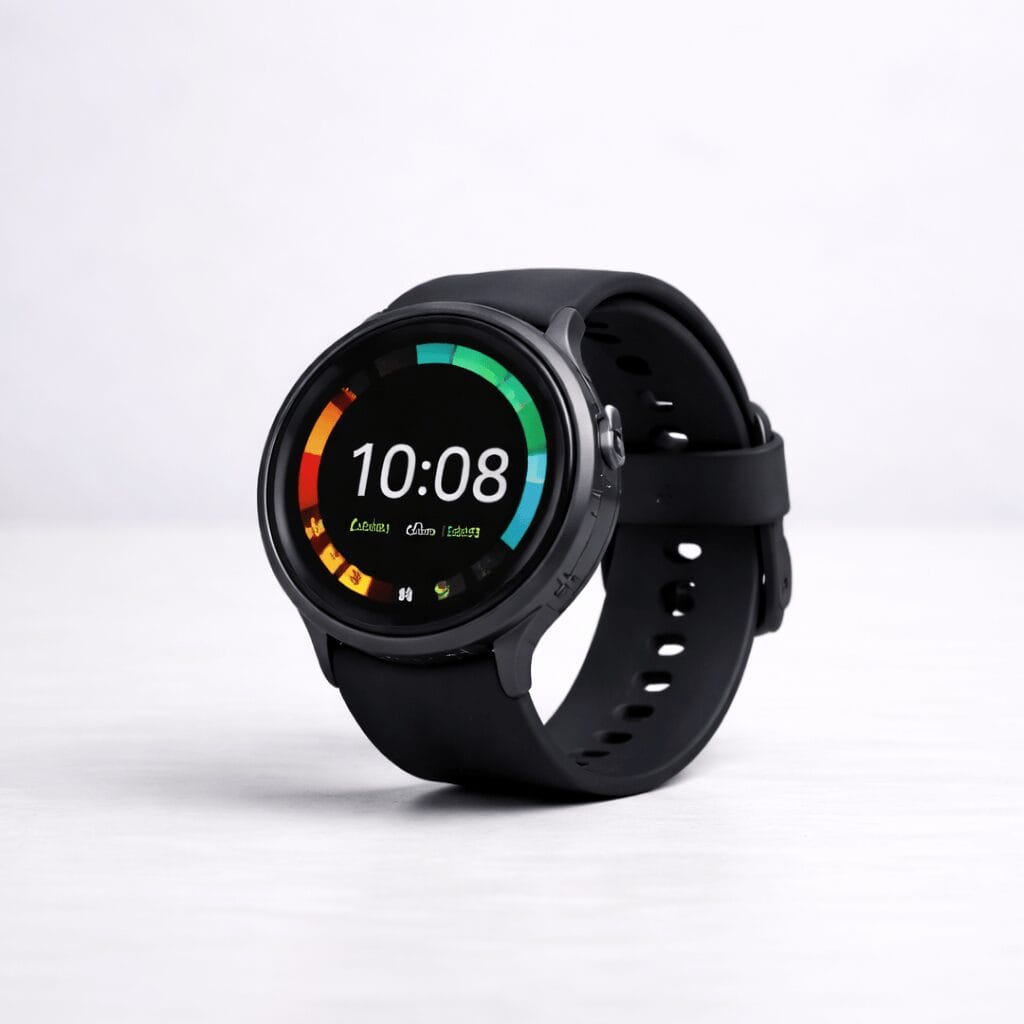
If you’ve ever peeked under the hood of pulse oximeters or fitness trackers, you know they use light to analyze blood. Garmin’s new patent describes a system that builds on this concept, employing a sophisticated multi-wavelength photoplethysmography (PPG) array embedded in a Garmin watch.
Here’s the magic: the sensors emit multiple specific wavelengths of light into your skin. Each type of hemoglobin—oxygenated, deoxygenated, and glycated—absorbs and reflects light differently. By analyzing these reflections, the watch can distinguish not only how much oxygen your blood carries but also estimate the percentage of glycated hemoglobin. This is where it gets especially intriguing.
The system processes the ‘AC-to-DC’ signal ratios—technical jargon for comparing pulsatile to static light absorption—with advanced algorithms designed to translate these signals into an HbA1c percentage. This method could let Garmin watches peek beneath the surface of your blood chemistry, offering a glimpse of long-term blood sugar control without invasive procedures.
But why stop there? The patent also mentions the potential to measure fractional and functional blood oxygen saturation simultaneously—tools that could provide even richer health insights far beyond your average SpO2 reading.

This patent isn’t Garmin’s first rodeo with metabolic health tech. A similar filing surfaced last summer, signaling a clear strategic pivot for the company. Traditionally, Garmin has been synonymous with elite-level athletic tracking—think advanced running metrics, VO2 max, and recovery insights.
Now, the inclusion of non-invasive HbA1c estimation hints at a broader ambition: to serve individuals managing pre-diabetes, metabolic syndrome, or simply those eager to keep a vigilant eye on their long-term health.
One might wonder why Garmin chose to focus on HbA1c over direct, real-time glucose readings. The answer lies in the complexity of glucose sensing through skin: real-time glucose measurements are notoriously tricky to nail non-invasively. HbA1c, on the other hand, being a slower-changing marker, might be the sweet spot for optical sensing technology.
This subtle yet significant focus means Garmin could be carving out a more reliable and user-friendly path for metabolic tracking—one that fits neatly on your wrist and updates you on your metabolic health trends over weeks and months, rather than minute-to-minute fluctuations.
While a patent is far from a product launch, it lays down the groundwork for exciting possibilities. Imagine future iterations of Garmin’s flagship lines—like the Fenix or Venu—doubling as proactive metabolic health monitors. This would be a game changer, blending athletic performance data with medically relevant biomarkers that can empower users to take control of their health in a whole new way.
For those juggling the demands of glucose management or aiming to sidestep the risks of diabetes, this could be a lifeline. Continuous glucose monitors require patches, needles, and frequent replacements. A non-invasive, optical system integrated into a smartwatch would mean hassle-free, constant access to valuable metabolic information.
The convergence of wearable tech and health diagnostics is accelerating, and Garmin’s patent is a shining beacon of what’s to come. Beyond step counts and heart rate zones, your smartwatch might soon become a window into complex biochemical processes—providing insights that were once the sole domain of clinical labs.
“By focusing on HbA1c rather than real-time glucose—which is notoriously difficult to measure accurately via the skin—Garmin may have found a more viable optical path to metabolic tracking.”
This shift reflects a growing awareness in the wearable tech industry: health consumers want more than statistics; they want meaningful, actionable data about their body’s inner workings, delivered conveniently and painlessly.
To recap, Garmin’s newly granted patent reveals a bold step toward making non-invasive metabolic health monitoring a reality. Using multi-wavelength PPG technology, proprietary algorithms could estimate HbA1c levels directly through the skin, potentially transforming how we track and manage blood sugar.
Here are the key takeaways:
If you’re passionate about wearable tech and health innovation, stay tuned as Garmin’s exploration of non-invasive glucose monitoring could reshape the future of smartwatches.
Don’t want to miss new posts?

You must be logged in to post a comment.