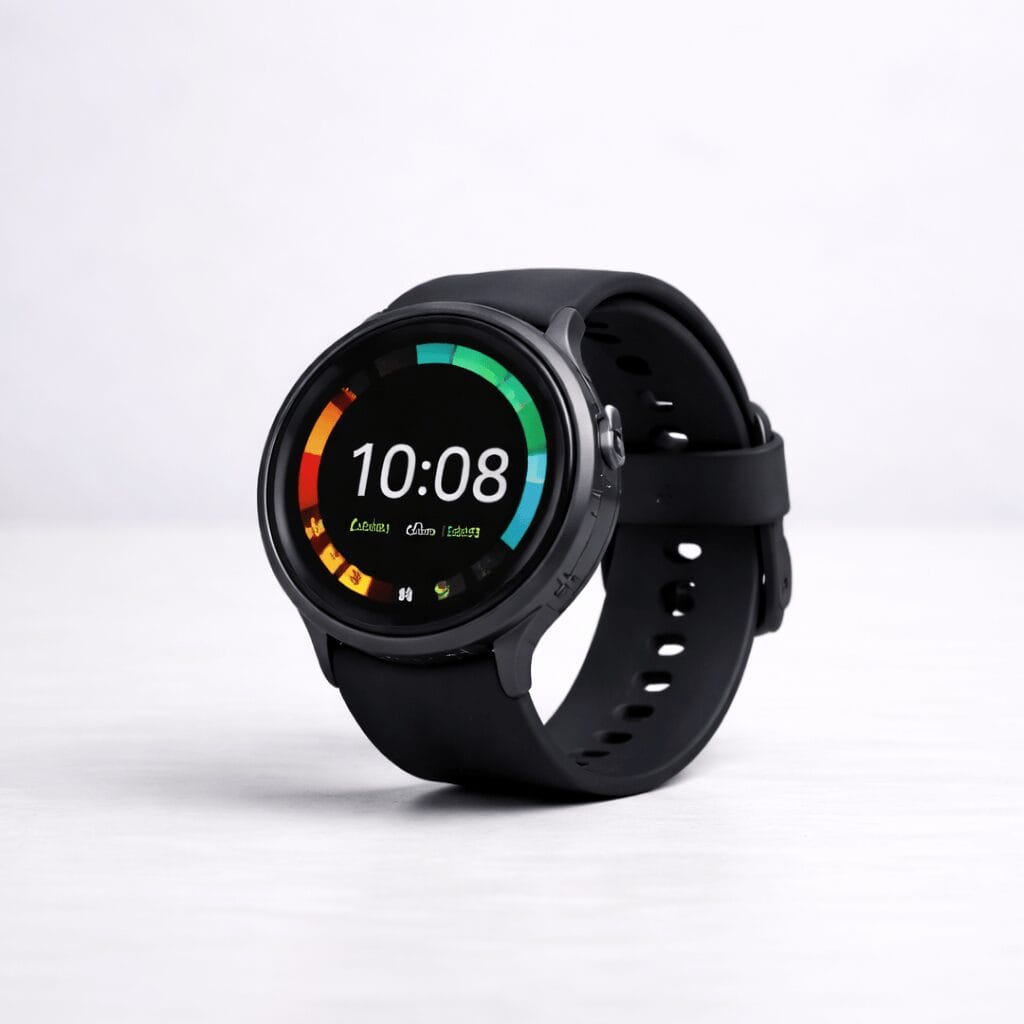

Huawei Band 11 Pro Leaks Reveal GPS and Stunning Display Ahead of Launch
Get ready for Huawei’s Band 11 Pro, boasting GPS and a dazzling 2,000-nit AMOLED screen for bright, vibrant…


Meta’s new facial recognition technology for smart glasses aims to identify people nearby, enhancing user interaction through AI assistance.
Imagine glancing at someone wearing Meta’s smart glasses and instantly knowing who they are, thanks to a nifty feature called ‘Name Tag.’ This is the intriguing technology Meta is quietly testing internally. The concept revolves around the glasses identifying people you encounter and feeding you relevant details through Meta’s AI assistant. It’s a futuristic idea that blurs the lines between real-world interactions and digital augmentation.

The idea has been percolating inside Meta’s labs since early last year, with some initial plans hinting at debuting the feature at a conference for the blind. The goal, it seems, was to develop an assistive technology that could help visually impaired people recognize faces, a thoughtful application of facial recognition tech that we don’t often hear about.
However, as ambitious as this sounds, these plans didn’t quite come to fruition. Meta’s internal memos reveal a clear awareness of the potential backlash concerning civil liberties and privacy. It’s no surprise—facial recognition carries a heavy ethical weight, especially in consumer devices that interact with the public.
This pivot is especially notable since Meta famously shuttered its facial recognition system on Facebook back in 2021. That system helped tag people in photos, but public concerns over privacy led Meta to scrap it. Interestingly, earlier versions of the Ray-Ban Meta smart glasses were rumored to have facial recognition features in the works but faced technical and ethical hurdles.
Now, the company is revisiting this technology cautiously, weighing who should be recognizable through Name Tag. They’re reportedly considering limiting the feature to people connected to the user on Meta platforms, or those with public profiles, rather than enabling a broad “search anyone” capability. This seems like an attempt to strike a balance between usefulness and privacy.
Meta has communicated that it will approach this technology thoughtfully, if and when it launches. The challenge is enormous: facial recognition is powerful but controversial, and any misstep could invite public outrage or regulatory crackdowns.
The timing of Meta’s Name Tag tests is interesting, coinciding with a heated race in the smart glasses market. Apple is reportedly developing its own AI-driven smart glasses, and Samsung and Google are preparing to launch their versions soon. This competition means that any innovative feature, especially something as attention-grabbing as facial recognition, could give Meta a significant leg up.
Meta’s Gen 2 smart glasses, made in partnership with Ray-Ban and Oakley, are already saturating the market. If Name Tag can move beyond internal trials and reach consumers, it might set Meta apart from the pack.
“Plans for Name Tag acknowledged the risk of backlash against civil liberties and privacy.”
— Meta internal memo (as reported)

The story of Name Tag is still unfolding. Will Meta manage to leverage facial recognition in smart glasses without stepping on privacy toes? Will the technology find its way to the masses or remain a niche tool? We’ll have to wait and see how Meta navigates this complicated landscape.
Unlock the future with insights like these—subscribe to our newsletter for the latest tech trends and reviews delivered straight to your inbox.
Don’t want to miss new posts?

You must be logged in to post a comment.